
It’s a refrain that’s worth repeating: the strength of employee ownership isn’t in valuation methodologies, repurchase obligation studies, succession plans, or finance terms. It’s not found in plan documents or committee meeting minutes or proactive governance. The strength of employee ownership is found in the way all those things work in concert with the workers themselves and the work they do to change lives. And the best way to make that impact, that strength clear to people, be they potential new hires or local business owners or economic developers or to family around the dinner table, is through storytelling.
I was joined by my colleagues Rachel Merfalen, executive director of the Tennessee Center for Employee Ownership (TNCEO), and Kevin Burns, executive director of the Alabama Center for Employee Ownership (ALCEO), for a member webinar about best practices when telling your employee ownership story. In their awareness-raising work, both Rachel and Kevin use narratives to drive interest in and understanding of employee ownership and brought to bear several lessons that people from employee-owned companies can use when telling their story.
Rachel focused largely on clarity of intent and purpose as key drivers to an effective employee ownership story. To get the strongest result, before beginning you must know why you want to tell your story, to whom, and how. With support from the Employee Ownership Expansion Network, she demonstrated how she put those questions into practice in the creation of No Capes, Just Heroes, the first of a series of short films highlighting, from a full-circle perspective, why a local TN company became ESOP-owned and how it has affected the workers, the company, and the community. You can watch the first video below; sign up here to be notified of the next in the series.
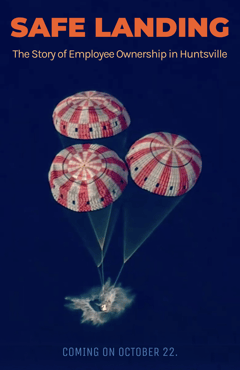
While Rachel focused on getting clear about the story you want to tell, Kevin explored what it takes to bring that story to life with the help of outside partners or contractors Just as important as your own internal clarity on the why, how, etc., is getting equal alignment with the partners you work with. He discussed the process of working with a professional videographer and even outlined the very detailed, precise questions his videographer asked before they started filming. The results of that work can be seen in a short film documenting the thriving ESOP company community in Huntsville, Alabama. That film isn’t out yet, but will be released October 22nd.
If you missed this conversation or want to revisit it, NCEO members can watch the recording, download the slides for “How to Tell your Ownership Story,” and explore past and future webinars on our website.