IRS Announces 2027 COLA Plan Limits
Today the IRS announced its annual cost-of-living (COLA) increases to plan limits for 2027, which are detailed in Notice 2026-66 (PDF). The most important figures for ESOPs and related plans are:
In partnership with the West Virginia Center for Employee Ownership
A page of NCEO resources for visitors from West Virginia
This page is for anyone who wants to learn more about employee ownership, especially if you want to explore whether employee ownership might be the right fit for your company or your clients.
You likely found this page as a link from our colleagues at the West Virginia Center for Employee Ownership. The WVCEO can put you in touch with nearby business owners and others with expertise in employee ownership, and this page will give you the top resources we at the NCEO offer to answer your questions about employee ownership.
For a general overview, see our article How an Employee Stock Ownership Plan (ESOP) Works.
For a step-by-step guide to assessing an ESOP for your company, check out our ESOP Pre-Feasibility Toolkit.
Recommended books:

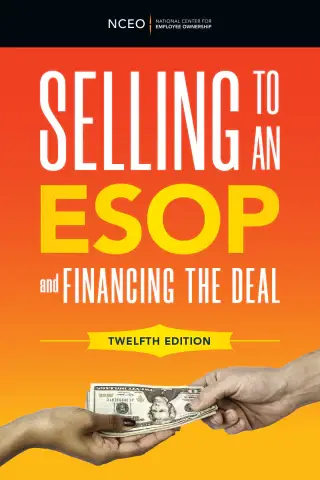
Selling to an ESOP and Financing the Deal
A detailed guide for owners, managers, and advisors of closely held businesses who are considering a sale to an ESOP.

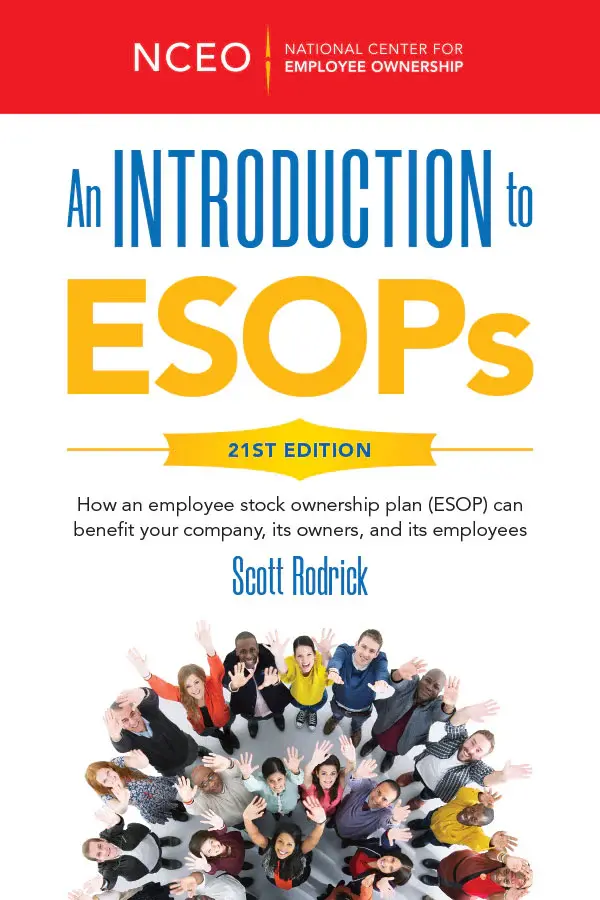
This concise book explains the rules, uses, benefits, and other aspects of employee stock ownership plans (ESOPs).
For an overview of how EOTs work, see our Introduction to EOTs.
Recommended book:

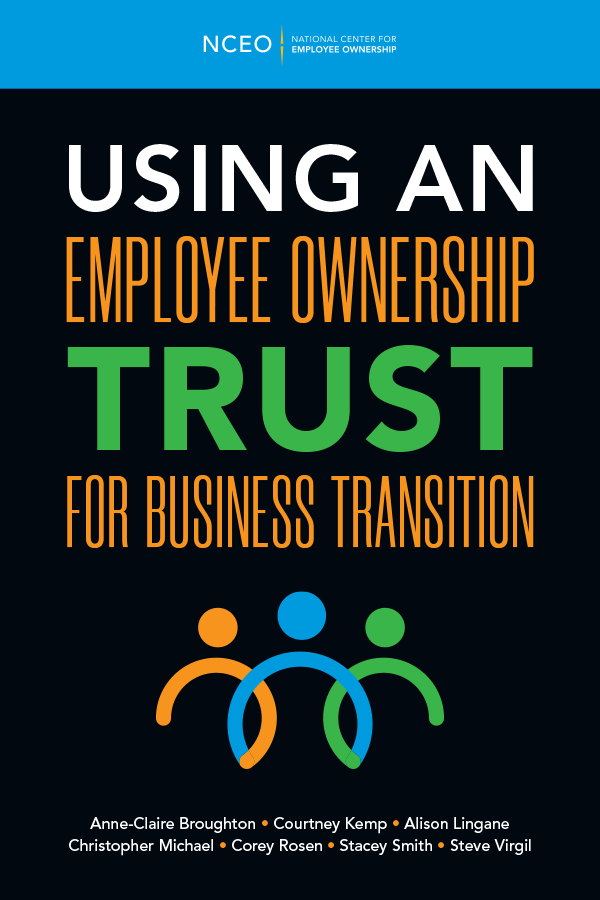
Using an Employee Ownership Trust for Business Transition
Learn how EOTs work, whether one is right for your company, and how they are created, financed, and governed.
See our overview of the types of equity compensation or a webinar on direct employee ownership.
Recommended books:

Describes models for direct employee ownership, with technical details plus case studies.

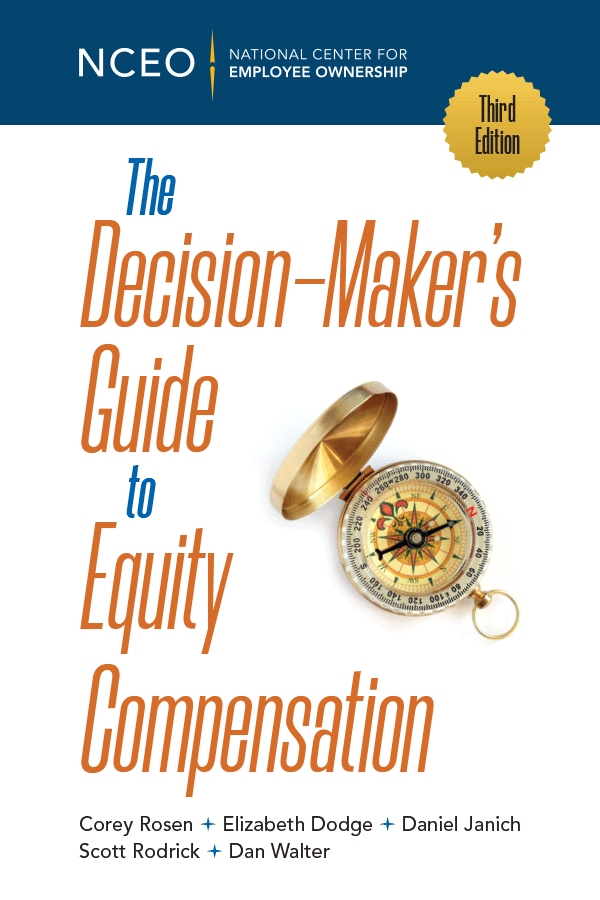
The Decision-Maker's Guide to Equity Compensation
How to find and implement an equity compensation strategy that works for your company.

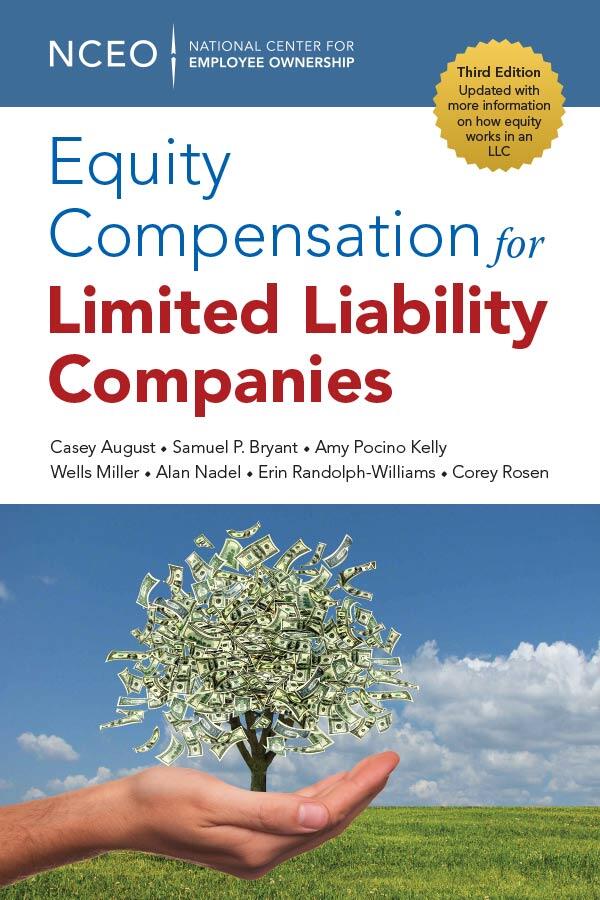
Equity Compensation for Limited Liability Companies (LLCs)
A guide to creating equity compensation arrangements for LLCs.
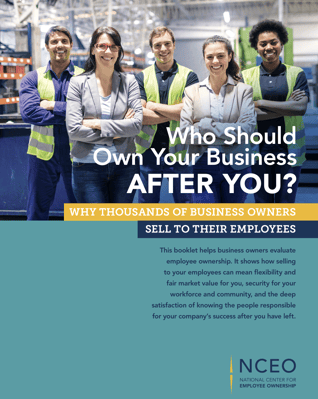
Who Should Own Your Business After You? is a brief introductory booklet designed for business owners who want to start exploring if employee ownership might be the right fit for them and their companies. Real business owners explain why and how business owners sold their business to their employees. It provides an overview of the five main forms of employee ownership in the United States: employee stock ownership plans or ESOPs, worker cooperatives, employee ownership trusts (EOTs), direct share ownership, and being acquired by a company that is already employee-owned. Readers will leave knowing what paths to explore and tools to learn more.
Today the IRS announced its annual cost-of-living (COLA) increases to plan limits for 2027, which are detailed in Notice 2026-66 (PDF). The most important figures for ESOPs and related plans are:
As the last working day of Employee Ownership Month winds down and we all get ready to get dressed up this weekend and hand out candy (or turn our porch lights off and go to bed early), I wanted to ...
Many ESOP companies reach a point, often a decade after the transaction, when the seller note is retired, cash flow is strong, and the board starts asking what comes next. In a recent NCEO webinar, ...
Under changes made in the SECURE 2.0 Act of 2022, the IRS has issued Revenue Procedure 2026-34 to expand the Employee Plans Compliance Resolution System (EPCRS). Under this system, plan sponsors can ...
President Trump recently signed the Retire Through Ownership Act (RTOA) into law. James Bonham of the ESOP Association says that the RTOA “strengthens confidence in the valuation process for millions ...
Understand the significant requirements that a business owner must fulfill before being able to take advantage of the tax deferral options offered by IRC Section 1042.
In this webinar, we will outline the ESOP transaction process, explain the ideal timing and identify the key decision points.
During this session, presenters will walk through the key items to focus on for a successful approach to annual record keeping, and is designed to help ESOP service providers guide clients through annual compliance.
You can unsubscribe at any time, and you can sign up for the mailing list for the Illinois Employee Ownership Center at the same time! Sign up below.
There’s no better way to learn about employee ownership than seeing it up close, and your in-state employee ownership exists to do exactly that.
We'd be glad to speak with you about your interest in employee ownership and recommend next steps, from in-person events to webinars, from our directory of professional service providers to talking with your peers in our networking groups.