


New Study Shows ESOP Companies Have Lower Turnover Rates
Study also finds that companies emphasize ownership culture is the best tool for retention and recruitment.
In partnership with the Washington Center for Employee Ownership
A page of NCEO resources for visitors from Washington State
This page is for anyone who wants to learn more about employee ownership, especially if you want to explore whether employee ownership might be the right fit for your company or your clients.
You likely found this page as a link from our colleagues at the Washington Center for Employee Ownership. The WACEO can put you in touch with nearby business owners and others with expertise in employee ownership, and this page will give you the top resources we at the NCEO offer to answer your questions about employee ownership.
Join us June 15-16 in Columbus, OH

This 1.5-day, in-person meeting brings together business owners considering an employee stock ownership plan (ESOP) as a succession strategy, along with ESOP experts and advisors who provide insights on structuring transactions, tax implications, and the operational realities of employee ownership.
For a general overview, see our article How an Employee Stock Ownership Plan (ESOP) Works.
For a step-by-step guide to assessing an ESOP for your company, check out our ESOP Pre-Feasibility Toolkit.
Recommended books:

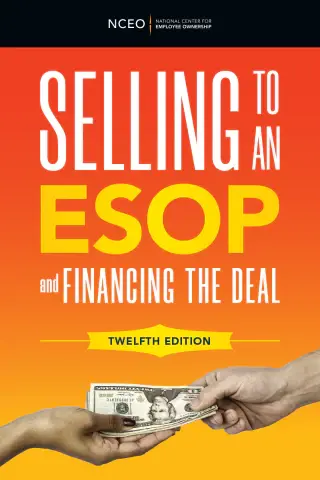
Selling to an ESOP and Financing the Deal
A detailed guide for owners, managers, and advisors of closely held businesses who are considering a sale to an ESOP.

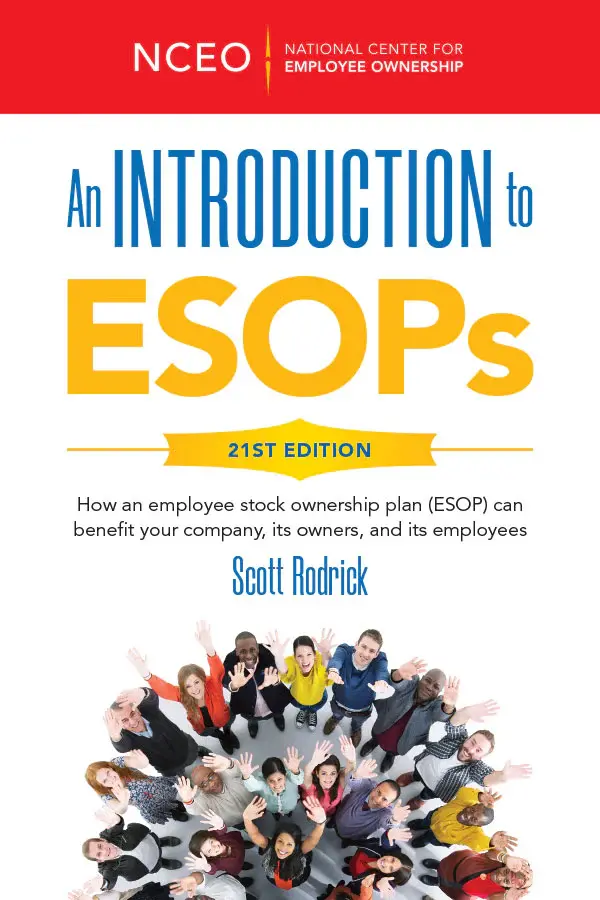
This concise book explains the rules, uses, benefits, and other aspects of employee stock ownership plans (ESOPs).
Join our EOT Peer Gatherings: Online meetings for companies that have or are considering an EOT. Participants share experiences, discuss challenges, and gain insights from different parts of the employee ownership community.
For an overview of how EOTs work, see our Introduction to EOTs.
Recommended book:

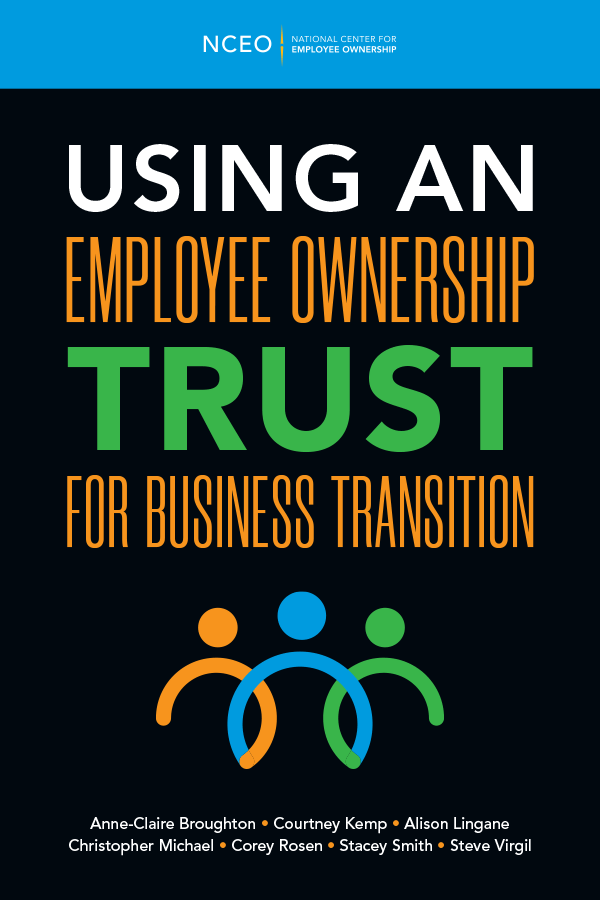
Using an Employee Ownership Trust for Business Transition
Learn how EOTs work, whether one is right for your company, and how they are created, financed, and governed.
See our overview of the types of equity compensation or a webinar on direct employee ownership.
Recommended books:

Describes models for direct employee ownership, with technical details plus case studies.

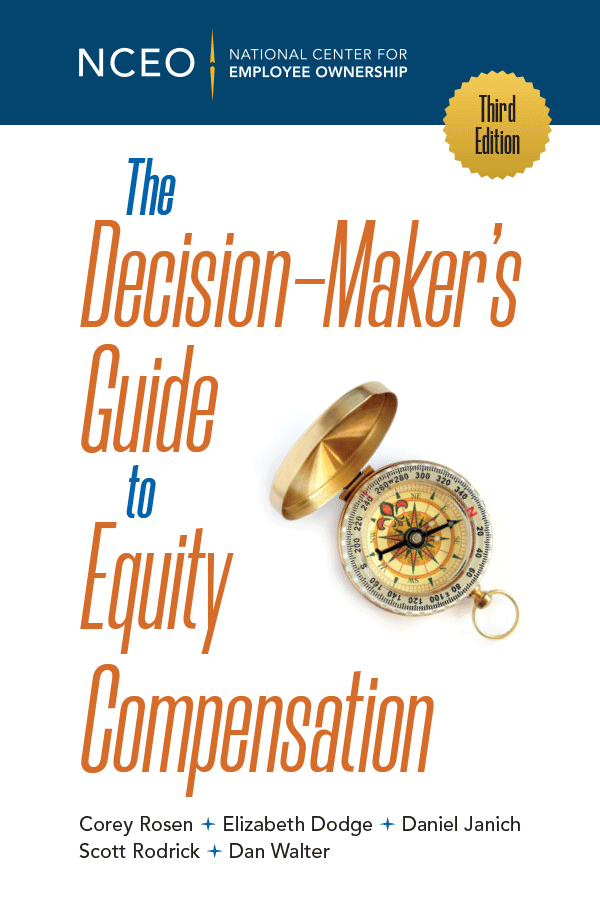
The Decision-Maker's Guide to Equity Compensation
How to find and implement an equity compensation strategy that works for your company.

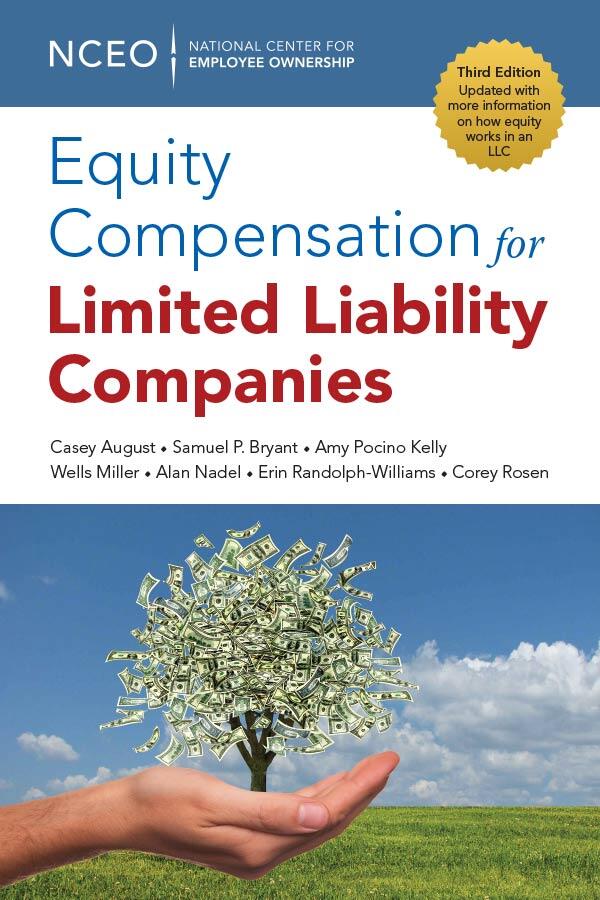
Equity Compensation for Limited Liability Companies (LLCs)
A guide to creating equity compensation arrangements for LLCs.
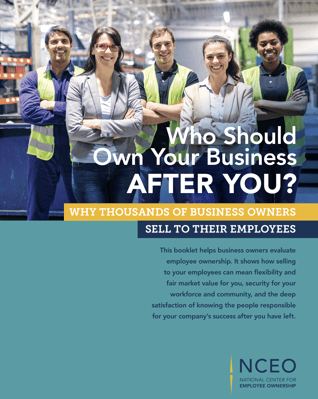
Who Should Own Your Business After You? is a brief introductory booklet designed for business owners who want to start exploring if employee ownership might be the right fit for them and their companies. Real business owners explain why and how business owners sold their business to their employees. It provides an overview of the five main forms of employee ownership in the United States: employee stock ownership plans or ESOPs, worker cooperatives, employee ownership trusts (EOTs), direct share ownership, and being acquired by a company that is already employee-owned. Readers will leave knowing what paths to explore and tools to learn more.
Study also finds that companies emphasize ownership culture is the best tool for retention and recruitment.
Voya Financial, a leading retirement, employee benefits, and investment management company, reports in a new survey that 70% of consumers “would more likely support a business that enables employee ...
Every few years, a new phrase is invented to explain why work isn't working.
New Jersey bill A5016/S4218, which would establish a program in the state Economic Development Administration to “encourage employee ownership awareness and provide funding and advisory support,” has ...
For many ESOP companies, the early years are defined by a familiar set of priorities: paying down debt, building employee communication, and getting comfortable with plan administration. But what ...
This session follows two real companies as they move through the same three phases of a leadership transition: getting started, getting ready, and getting real.
This session will build on Repurchase Obligation and the Sustainability Study.
This webinar explores the building blocks of ownership culture, why employee-owned companies measure culture, and what measures matter most.
You can unsubscribe at any time, and you can sign up for the mailing list for the Illinois Employee Ownership Center at the same time! Sign up below.
There’s no better way to learn about employee ownership than seeing it up close, and your in-state employee ownership exists to do exactly that.
We'd be glad to speak with you about your interest in employee ownership and recommend next steps, from in-person events to webinars, from our directory of professional service providers to talking with your peers in our networking groups.